Recovery Residences
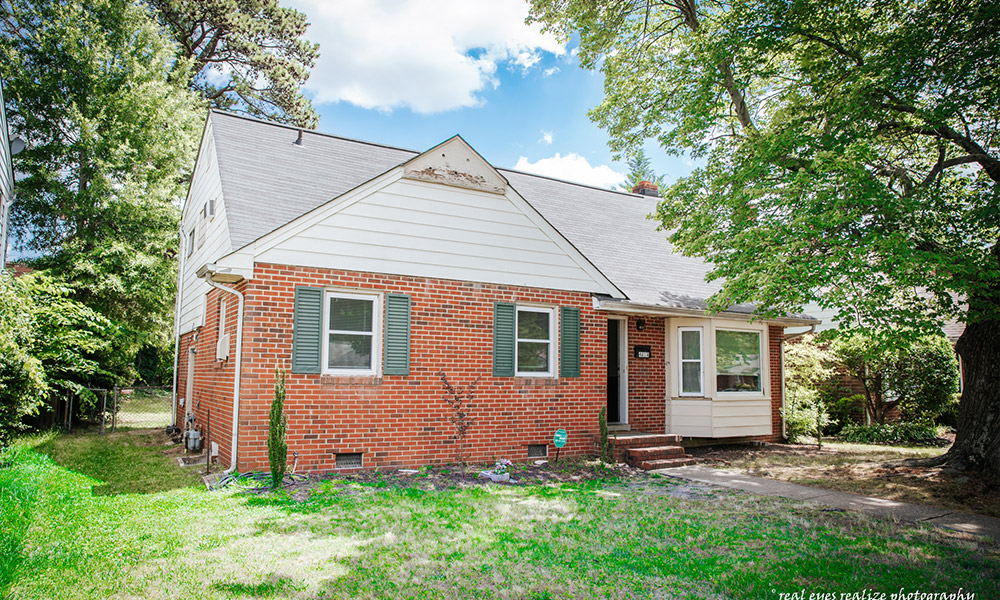
At the WAR Foundation, we are committed to offering top-quality recovery residences that serve as safe, supportive environments for individuals on their journey to recovery. Our homes are designed to promote personal growth and long-term recovery by fostering a community-oriented atmosphere where residents can develop and practice essential life skills.

Our recovery residences are accredited by the Virginia Association of Recovery Residences (VARR) to the standards set by the National Alliance for Recovery Residences (NARR). These standards ensure that our homes provide a spectrum of support levels, from peer-driven to comprehensively or structured supervised settings. The NARR model emphasizes the Social Model of Recovery, which focuses on creating a recovery-supportive culture through shared experiences, mutual support, and structured living environments. This approach is pivotal in helping residents maintain sobriety and develop resilience.
Additionally, our commitment to quality and ethical practices is reinforced by our alignment with the principles of Ohio Recovery Housing. These principles stress the importance of providing dignified, respectful, and inclusive recovery environments. By adhering to these high standards, we ensure that our residences offer a safe and healthy space where individuals can rebuild their lives and thrive in their recovery journey.
The WAR Foundation’s recovery residences provide varying levels of support to meet the diverse needs of our residents. Whether you need a peer-run home or a more structured, supervised environment, our residences offer tailored support to help you achieve lasting recovery. Our dedicated staff and comprehensive programs are here to guide you every step of the way, ensuring you have the tools and support needed to succeed.
Join us at the WAR Foundation and take the next step towards a brighter, future in a community that understands and supports your recovery.
A recovery residence is a structured and supportive living environment designed for individuals in recovery from Substance Use Disorder (SUD). Here are some key characteristics that typically define a recovery residence.

Drug-Free Environment
Recovery residences maintain a strict no-alcohol and no-drug policy, providing a safe space for individuals to focus on their recovery without the temptation of substance use.
Shared Living Spaces
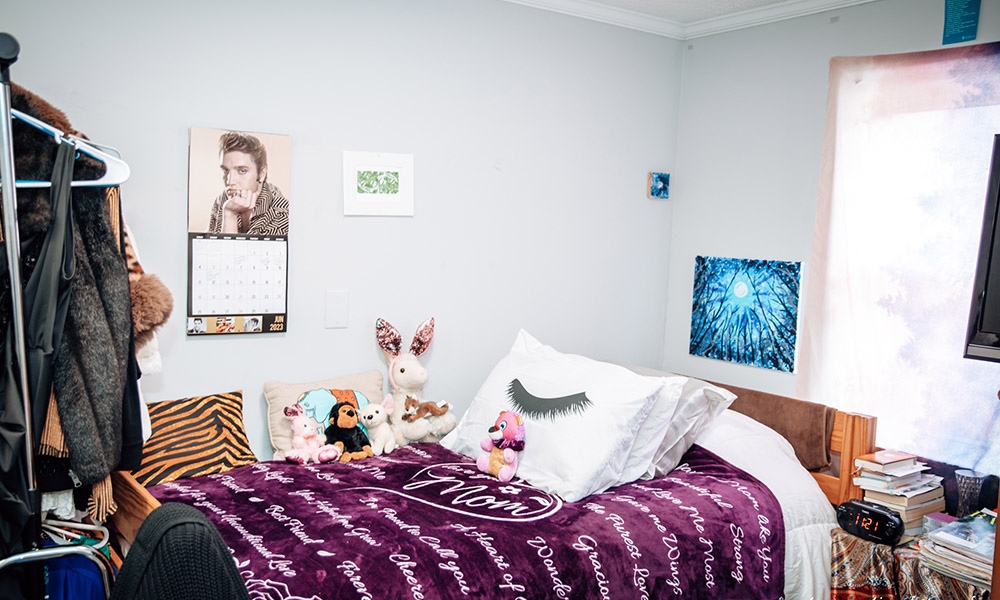
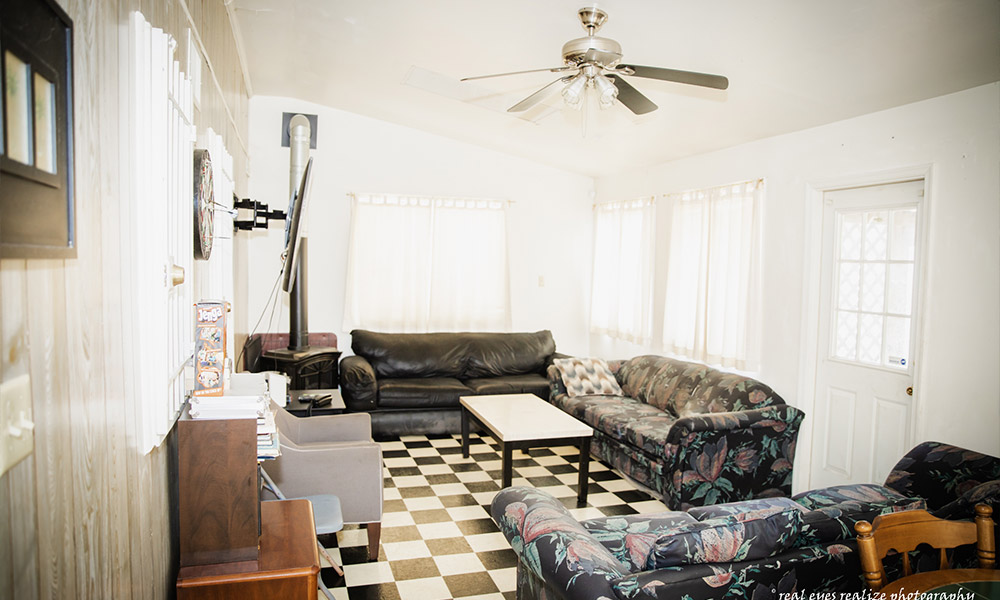
Residents usually live together in a communal setting, which may include shared bedrooms, common areas, kitchens, and bathrooms. This communal living fosters a sense of community and peer support.

Supportive Atmosphere
The environment is designed to be supportive and encouraging, emphasizing recovery and personal growth. Residents often engage in group activities, discussions, and shared responsibilities.
Structured Routine
Recovery residences typically implement a daily schedule that includes house meetings, chores, and possibly group events or recovery meetings, promoting accountability and routine.
Access to Resources
Many recovery residences provide or facilitate access to additional resources, such as SUD service needs, job training, educational programs, and community support groups.

House Rules
Residents are expected to adhere to specific rules and guidelines, which may include curfews, attendance at recovery meetings, and participation in household responsibilities.
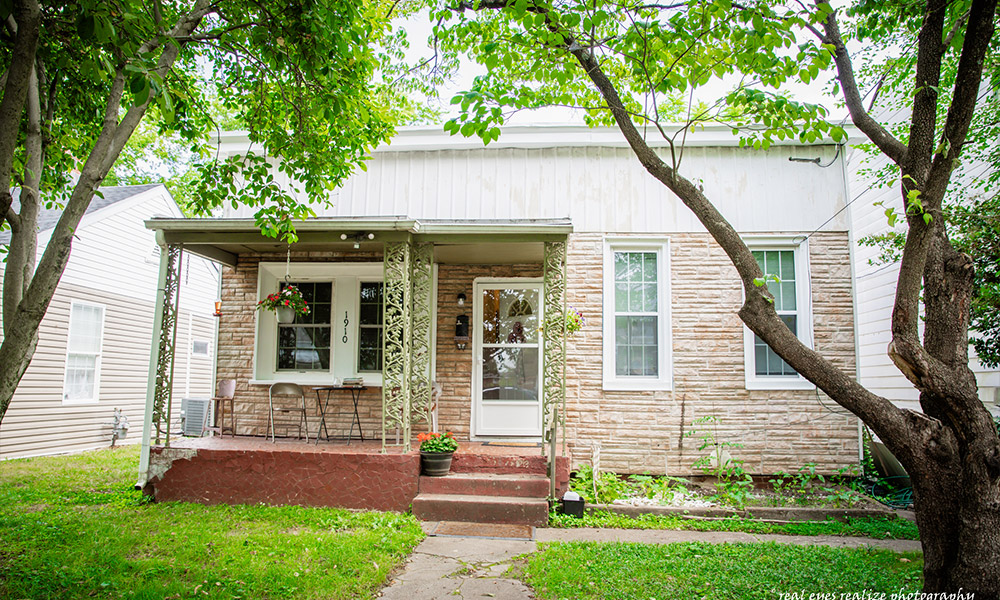
Focus on Life Skills Development
Recovery residences often emphasize the development of essential life skills, such as budgeting, cooking, and conflict resolution, to help individuals prepare for independent living. We emphasize in learning manageability for our own lives through accountability as often times when we arrive our lives are in an unmaneagable state.

Variety of Lengths of Stay
Stays in recovery residences can vary in length, from a few weeks to a longer stay depending on the individuals needs and the progress in recovery.

Supportive Staff
Many recovery residences have staff or peer leader who provide oversight, support, and guidance to residents, helping them navigate their recovery journey.
Overall, a recovery residence serves as a transitional living space that helps individuals build a strong foundation for their recovery, fostering a sense of community while promoting personal growth and independence.